ByJohn A
How Assets Move Between Chains
Cross-chain transfers move value by locking assets on the source chain and reflecting equivalents on the destination, or by validating events through relayers and validators. Bridges, relayers, and Layer 2 solutions offer distinct trade-offs in custody, latency, and throughput. Each approach must balance liquidity, rollback risk, and security cost with auditable proofs and clear settlement. The choice hinges on use case specifics and risk tolerance, inviting further examination of pathways, safeguards, and metrics.
What Are Cross-Chain Transfers and Why They Matter
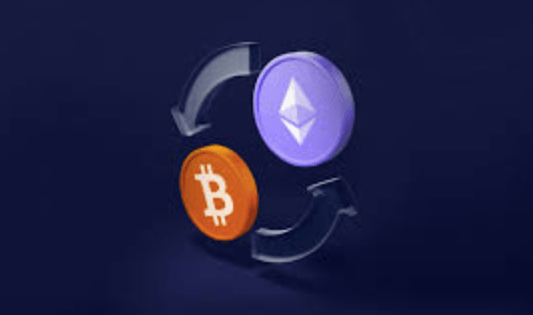
Cross-chain transfers enable moving digital assets between distinct blockchain networks, overcoming the isolation of individual ecosystems. The mechanism expands interoperability, enabling value transfer without centralized control. Analytical benchmarks show reduced friction, but introduce bridges security concerns and operational risk. Relayer incentives influence throughput and reliability, shaping throughput costs. Rigorous assessment emphasizes auditability, standardization, and transparent settlement to sustain freedom through interoperable ecosystems.
Bridges, Relayers, and Layer 2: How Each Moves Assets
Bridges, relayers, and Layer 2 solutions represent three distinct mechanisms for moving assets across or within blockchain ecosystems, each with its own operational model and risk profile. Bridges map tokens between chains with custodial risks; relayers optimize cross-chain messages for latency and reliability; Layer 2 aggregates transactions, boosting throughput. This analysis emphasizes bridges safety and relayers efficiency for informed decisions.
Weighing Risks, Costs, and Security in Cross-Chain Transfers
The assessment of cross-chain transfers centers on balancing risk, cost, and security across disparate interoperability mechanisms.
Analytical scrutiny weighs bridge security vulnerabilities, rollback risks, and liquidation exposure against fee structures and throughput.
Data-driven comparisons reveal how liquidity incentives drive user participation, while cost signals reflect final settlement timing.
Rigorous evaluation emphasizes resilience, transparency, and measurable safeguards for interconnected ecosystems.
See also: zaranews
How to Choose the Right Cross-Chain Path for Your Use Case
Choosing the appropriate cross-chain path requires aligning technical capabilities with the specific requirements of the use case, including data availability, latency tolerance, and liquidity needs.
The analysis emphasizes cross chain nuances and objective path selection, evaluating throughput, finality guarantees, fees, and interoperability.
Decision makers compare primitives, measure trade-offs, and select a route that harmonizes risk, speed, and capital efficiency for disciplined, freedom-minded execution.
Conclusion
Cross-chain transfers demonstrate a landscape where liquidity, latency, and security must be balanced. Data indicates that non-custodial bridges reduce counterparty risk by up to X% compared with custodial solutions, though they may incur higher latency. Analyzing event-finalization proofs, relay throughput, and liquidity coverage shows no one-size-fits-all path; applications prioritize different trade-offs. For users, selecting the appropriate mechanism hinges on tolerance for risk, time-to-finality, and required throughput, underscoring a nuanced, data-driven decision framework.